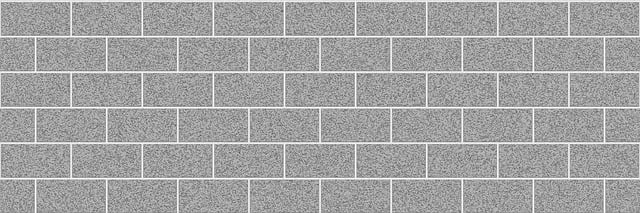
When building a strong, durable, and cost-effective structure, choosing the right wall material is an important decision. 6-inch solid concrete blocks are widely used in residential, commercial, and industrial construction because they offer a combination of strength, durability, stability, and ease of installation.
These blocks are commonly used for constructing internal and external walls, partitions, boundary walls, utility areas, and other masonry applications. Their uniform shape and consistent dimensions can also help contractors achieve faster construction and better wall alignment.
In this guide, we will explain what 6-inch solid concrete blocks are, their major benefits, where they are used, how to select quality blocks, and why they can be a practical choice for modern construction projects.
What Are 6-Inch Solid Concrete Blocks?
For manufacture a 6ins solid blocks we require a mixture of cement, aggregates & water.
The term “6-inch” generally refers to the nominal thickness of the block, although the exact dimensions can vary depending on the manufacturer and applicable specifications.
Unlike hollow concrete blocks, solid concrete blocks have a substantially solid cross-section. This gives them good mass and strength and makes them suitable for many types of masonry construction.
The manufacturing process generally involves:
- Selection and proportioning of raw materials
- Mixing cement, aggregates, and water
- Feeding the concrete mixture into block moulds
- Mechanical compaction or vibration
- Demoulding
- Curing
- Quality inspection
- Storage and delivery to the construction site
Proper curing is particularly important because it allows the concrete to develop the required strength and durability.
USB of 6-Inch Solid Concrete Blocks
6-inch solid concrete blocks are popular because of their practical combination of physical and construction properties.
1. Solid Construction
The dense structure of a solid concrete block provides good resistance to normal loads and impact compared with lightweight partition materials.
2. Consistent Shape
Machine-manufactured blocks can provide relatively consistent dimensions, helping masons create straighter walls with uniform joints.
3. Durable Material
Concrete blocks can withstand normal environmental exposure when properly manufactured, cured, transported, and installed.
4. Easy to Handle
Although heavier than some lightweight walling products, appropriately sized blocks can be handled efficiently by experienced masonry teams.
5. Suitable for Different Projects
6-inch blocks can be used in houses, commercial buildings, warehouses, utility areas, compound walls, and other construction projects, subject to structural design requirements.
Where do we use 6-Inch Solid Concrete Blocks ?
1. Inner Walls
6-inch solid concrete blocks can be used for constructing inner walls where a stronger and more substantial wall is desired.
They can be suitable for areas such as:
- Room partitions
- Utility rooms
- Staircase areas
- Service areas
- Storage rooms
The final wall thickness and material selection should always follow the architectural and structural requirements of the project.
2. Outter Walls
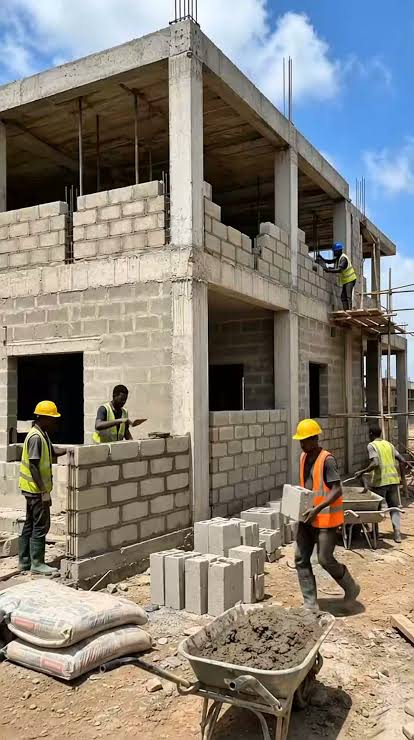
Depending on the building design and engineering specifications, 6-inch concrete blocks can also be used for outter walls.
To get the wall finish we can use cement plaster, wall putty, paint & Additional paint coat if required .
3. Residential Construction
6-inch solid blocks are commonly used in residential projects like
- Independent houses
- Villas
- Small Apartments below 10 floors
4. Commercial Buildings
Commercial construction will require durable materials that can withstand heavy duty.
6-inch solid concrete blocks will be used in
- Shops
- Tech park
- Small commercial buildings
- Convention hall
- Industrial warehouse
- Commercial Complex
5. Boundary and Compound Walls
Solid concrete blocks are also commonly used in boundary and compound walls.
Their substantial construction makes them suitable for creating:
- Residential compound walls
- Commercial boundary walls
- Industrial site boundaries
- Property partitions
- Security walls
For taller or load-bearing boundary walls, proper foundation design, reinforcement, columns, and engineering supervision may be necessary.
Benefits of 6-Inch Solid Concrete Blocks
1. Good Strength
One of the primary advantages of solid concrete blocks is their strength.
A properly manufactured and cured block can provide a strong masonry unit suitable for a wide range of construction applications.
However, block strength should not be assumed solely from its size. The actual strength depends on factors such as:
- Mix design
- Cement content
- Aggregate quality
- Manufacturing process
- Compaction
- Curing
- Age of the block
- Quality control
Therefore, buyers should consider tested specifications rather than selecting blocks based only on appearance.
2. Durability
Concrete masonry can provide long service life when the blocks are manufactured correctly and the wall is properly constructed.
Good-quality blocks combined with appropriate mortar, workmanship, curing, plastering, and waterproofing can help create durable walls.
3. Faster Construction
The larger size of concrete blocks compared with traditional small bricks means that fewer masonry units may be required to cover the same wall area.
This can potentially help reduce:
- Number of masonry joints
- Handling time
- Masonry labour
- Construction time
Actual productivity depends on block dimensions, site conditions, mason experience, wall design, and project management.
4. Uniform Wall Construction
Machine-produced blocks can have relatively consistent dimensions.
This can help masons achieve:
- Better wall alignment
- More consistent courses
- Cleaner corners
- Uniform joints
- Easier plastering
Dimensional consistency is one of the important factors to check when purchasing concrete blocks.
5. Lower Material Wastage
Properly manufactured and transported concrete blocks can reduce unnecessary cutting and breakage compared with some smaller masonry units.
However, wastage still depends heavily on:
- Transportation
- Storage
- Handling
- Masonry practices
- Wall design
- Cutting requirements
Good site management is therefore important.
6. Good Resistance to Impact
Solid concrete masonry provides a robust wall surface that can resist normal impacts better than some lightweight partition materials.
This makes it useful for areas where walls may experience regular contact or heavy usage.
7. Versatile Applications
One of the biggest advantages of 6-inch solid concrete blocks is their versatility.
They can be used across many construction environments, including residential, commercial, industrial, and utility projects.
6-Inch Solid Concrete Blocks vs Bricks
A common question among homeowners and contractors is whether to choose concrete blocks or traditional clay bricks.
| Feature | 6-Inch Solid Concrete Blocks | Traditional Bricks |
|---|---|---|
| Unit size | Generally larger | Generally smaller |
| Construction speed | Can be faster | Usually more units required |
| Wall joints | Fewer units can mean fewer joints | More joints |
| Handling | Larger and heavier per unit | Smaller units |
| Uniformity | Can be highly consistent when machine manufactured | Can vary depending on manufacturing |
| Strength | Depends on block specification | Depends on brick specification |
| Applications | Residential, commercial, utility and other masonry | Wide range of masonry applications |
| Finish | Can be plastered or finished | Can be plastered or finished |
The best option depends on the project’s design, material availability, labour, cost, specifications, and local construction practices.
How to Choose Good-Quality 6-Inch Solid Concrete Blocks
Not every concrete block is manufactured to the same quality level. Before purchasing, consider the following factors.
1. Check Dimensions
Blocks should have consistent dimensions with minimal variation.
Inconsistent blocks can lead to:
- Uneven walls
- Larger mortar joints
- Increased plaster consumption
- Difficult alignment
- Higher material wastage
2. Check for Cracks
Avoid blocks with significant cracks, broken corners, excessive chipping, or visible manufacturing defects.
Minor handling marks may occur during transportation, but severely damaged blocks should not be used without proper assessment.
3. Check Strength Specifications
Ask the supplier for the applicable strength specification and test information.
Do not judge block strength simply by hitting a block or looking at its colour.
Laboratory testing provides a much more reliable indication of compressive strength.
4. Check Curing
Proper curing is essential for concrete blocks to develop their intended strength and durability.
Ask the supplier about their manufacturing and curing process.
5. Check Aggregate Quality
The quality and grading of aggregates used in manufacturing can influence the final properties of the block.
A reliable manufacturer should maintain appropriate material quality and production controls.
6. Buy From a Reliable Supplier
Choose a supplier who can consistently provide:
- Quality-controlled blocks
- Correct dimensions
- Proper curing
- Reliable delivery
- Consistent batches
- Appropriate technical information
How Should 6-Inch Concrete Blocks Be Stored?
Proper storage can prevent unnecessary damage before installation.
Recommended practices:
- Store blocks on a firm and level surface.
- Avoid placing them directly in muddy or waterlogged areas.
- Stack them carefully.
- Avoid throwing blocks during unloading.
- Protect them from unnecessary impact.
- Keep the storage area organised.
- Avoid excessive stacking heights that could create safety hazards.
Good handling practices can significantly reduce breakage and material wastage.
6-Inch Concrete Block Construction Process
A typical masonry process involves several stages.
Step 1: Foundation Preparation
The foundation or supporting structure should be completed according to the approved design.
Step 2: Surface Preparation
The masonry base should be cleaned and prepared properly.
Step 3: Mortar Preparation
Mortar should be prepared according to the project specification.
Step 4: First Course
The first course of blocks is carefully aligned because it establishes the position of the entire wall.
Step 5: Block Installation
Blocks are placed systematically with appropriate mortar joints.
Step 6: Alignment and Level Checking
The mason should regularly check:
- Vertical alignment
- Horizontal level
- Wall thickness
- Corners
- Openings
Step 7: Curing
Masonry should be cured as required by the construction specification.
Step 8: Plastering and Finishing
Once the masonry is ready, the wall can receive the specified plaster, coating, or other finish.
Common Mistakes to Avoid
Even high-quality blocks can perform poorly when construction practices are inadequate.
Mistake 1: Buying Based Only on Price
The cheapest block may not provide the best overall value.
Consider quality, strength, dimensions, wastage, delivery, and consistency.
Mistake 2: Ignoring Block Dimensions
Small variations can become significant over a large wall area.
Mistake 3: Poor Storage
Improper stacking and rough handling can result in unnecessary breakage.
Mistake 4: Poor Masonry Workmanship
Incorrect alignment and mortar application can reduce wall quality.
Mistake 5: Ignoring Curing
Proper curing is important for both masonry and associated cement-based work.
Mistake 6: Using Blocks Without Considering the Design
Not every wall can automatically be constructed using a particular block thickness. Structural and architectural requirements must be followed.
Are 6-Inch Solid Concrete Blocks Suitable for Your House?
For many residential construction projects, 6-inch solid concrete blocks can be a practical walling option.
However, the correct block size should be selected based on:
- Building design
- Wall location
- Structural system
- Load requirements
- Local building requirements
- Acoustic requirements
- Thermal requirements
- Moisture exposure
- Engineer and architect recommendations
For load-bearing applications, always follow the structural engineer’s specifications.
Frequently Asked Questions
What is a 6-inch solid concrete block?
A 6-inch solid concrete block is a precast concrete masonry unit whose nominal thickness is generally around 6 inches. It is manufactured using cement, aggregates, water, and controlled production and curing processes.
Where are 6-inch solid blocks used?
They can be used for residential, commercial, utility, partition, boundary, and other masonry applications depending on the project design.
Are 6-inch solid blocks stronger than bricks?
Strength depends on the specific block and brick specifications. A properly manufactured concrete block can provide excellent masonry performance, but products should be compared using their tested technical properties.
Are 6-inch blocks suitable for house construction?
They can be suitable for many house construction applications. However, the appropriate wall thickness and masonry material should be selected according to the architectural and structural design.
How do I check the quality of a concrete block?
Check dimensions, appearance, cracks, density, manufacturing consistency, curing, and—most importantly—available test results and applicable specifications.
How long do concrete blocks last?
Properly manufactured and installed concrete masonry can have a long service life. Actual durability depends on material quality, exposure conditions, workmanship, maintenance, and building design.
Can 6-inch solid blocks be used for boundary walls?
Yes, they can be used for many boundary-wall applications. The foundation, wall height, reinforcement, columns, and other requirements should be designed appropriately.
Conclusion
6-inch solid concrete blocks are a practical and versatile construction material for many residential, commercial, and utility applications. Their combination of durability, strength, consistent dimensions, and efficient installation makes them a popular choice for modern masonry construction.
However, choosing the right block is about more than simply selecting a 6-inch size. Manufacturing quality, compressive strength, dimensions, curing, storage, transportation, and installation practices all contribute to the final performance of the wall.
If you are planning a construction project in Bangalore, selecting a reliable construction-material supplier can help you maintain consistent material quality and avoid unnecessary delays.
ProMart — Foundation to Structure
Reliable construction materials for building with confidence.